Sheltered Care vs Assisted Living in Illinois What Families Need to Know

A senior living community can feel warm, residential, and supportive, yet still operate under a license that families do not fully understand. That is where confusion often starts.
In Illinois, the terms sheltered care and assisted living can sound similar. Both may involve meals, help with daily routines, medication support, activities, and staff available to assist residents. Both may be appropriate for someone who should not live alone but does not need 24-hour skilled nursing care.
But the two are not the same under Illinois law.
For families comparing options in Plainfield, Burr Ridge, Homer Glen, La Grange, or nearby communities, the label matters. It can affect the type of license a community holds, the services it is allowed to provide, the physical setup of the home, and the questions families should ask before making a decision.
This guide explains the difference in plain English. It is informational only and should not be read as legal, medical, or financial advice.

What sheltered care means in Illinois
In Illinois, a Sheltered Care Facility falls under the state’s Nursing Home Care Act. Illinois law includes facilities that provide personal care, sheltered care, or nursing to three or more unrelated people within the definition of a long-term care facility.
That does not mean every sheltered care setting is the same as a nursing home.
Sheltered care is generally designed for someone who does not need skilled nursing home level care, but who does need a residential setting with added supervision and help. Depending on the facility and the person’s needs, that help may include:
Meals and dining support
Medication reminders or medication-related oversight
Help with dressing, bathing, grooming, or other personal needs
Supervision for safety
Structured activities and social opportunities
Staff support with daily routines
A sheltered care setting may look and feel much like what many people picture when they hear the phrase “assisted living.” Residents may have familiar routines, common dining areas, activities, and help nearby.
That is exactly why the terms get mixed together.
The key point is this: a community’s appearance does not tell you what license it operates under. A residence can feel home-like while still being regulated under a different Illinois law than an Assisted Living Establishment.
What assisted living means in Illinois
In Illinois, Assisted Living Establishments operate under a different law called the Assisted Living and Shared Housing Act.
Illinois defines assisted living around a residential or “social model.” The resident’s unit is treated as their home. The model emphasizes:
Independence
Privacy
Dignity
Autonomy
Personal choice
An Assisted Living Establishment may provide help with activities of daily living. These often include bathing, dressing, toileting, transferring, eating, and personal hygiene. Personal services, supportive services, and intermittent health-related services may also be available around the clock to address scheduled and unscheduled needs.
Illinois law also sets expectations for the physical character of assisted living. That includes individual living units and private bathroom facilities, or legally allowed alternatives.
The goal is not only to provide help. The goal is to provide help in a setting that is treated as the resident’s home.
That residential model is one reason many families are drawn to assisted living. It can feel less clinical than other care settings. But the legal category still matters.

The biggest difference is not always what families expect
Many families start by comparing amenities. They look at dining rooms, activity calendars, apartment layouts, outdoor spaces, and whether staff seem kind and attentive.
Those things matter. But they do not answer the core regulatory question.
The biggest difference between sheltered care and assisted living in Illinois is the legal framework behind the setting.
Question families should ask | Sheltered care in Illinois | Assisted living in Illinois |
Which law applies | Nursing Home Care Act | Assisted Living and Shared Housing Act |
General model | Long-term care facility category | Residential or social model |
Typical resident need | Supervision and personal care without full skilled nursing-home-level care | Help with daily living in a home-like setting that emphasizes independence |
Physical setup | Varies by facility and license requirements | Individual living units and private bathrooms or specified alternatives |
Why families may confuse it | It may look similar to assisted living | It may offer services similar to sheltered care |
This is not about one being good and the other being bad. Both can serve an important purpose. The right fit depends on the person’s needs, preferences, health status, finances, and the specific residence being considered.
A person who needs reminders, meals, and support with routines may do well in one type of setting. Someone who values a private apartment-style unit and a strong residential model may prefer another. A person with changing needs may require a different level of care later.
The name on the brochure is only the beginning.
Why the license matters to your family
Licensing shapes what a community is allowed to do, how it is regulated, and what standards apply. That can affect daily life in quiet but important ways.
For example, the license may influence:
The services staff can provide
How medication support is handled
What happens when a resident’s needs increase
Admission and discharge criteria
Resident rights and grievance processes
Staffing expectations
Physical space requirements
State oversight
Families often ask a simple question: “Can Mom stay here if she needs more help later?”
The honest answer depends on the setting, the license, the resident’s condition, and the facility’s policies. Some communities can support residents through a range of needs. Others may require a move if care needs exceed what the license or staffing model allows.
That is especially important when planning for Aging Parents who may be mostly independent now but need more help over time.
A move can be stressful. It can also be costly and emotionally hard. Asking detailed questions early can reduce surprises later.
How to compare services without getting lost in labels
The words “support,” “personal care,” and “assistance” can mean different things from one residence to another. When comparing options, ask for clear examples.
Instead of asking, “Do you help with medications?” ask:
Who stores the medications?
Who reminds the resident to take them?
Can staff administer medications, or only remind?
What happens if a dose is missed?
How are medication changes handled after a doctor visit?
Instead of asking, “Do you help with bathing?” ask:
How many bathing assists are included each week?
Can the resident choose shower times?
Is there an extra charge for more help?
What happens if the resident refuses care?
How is privacy protected?
Instead of asking, “Do you have staff at night?” ask:
Is awake staff present overnight?
How does a resident call for help?
What is the typical response process?
Who handles emergencies?
When would staff call family, a doctor, or 911?
Specific questions lead to better answers.

When memory concerns enter the decision
Many families begin by comparing sheltered care and assisted living, then realize memory changes are part of the picture too.
Forgetfulness, missed medications, wandering risk, confusion at night, or poor judgment can change what kind of setting is safest. Some assisted living communities offer memory support. Some long-term care settings may serve residents with cognitive decline. But families should not assume that every residence can safely support Dementia or more advanced cognitive needs.
Ask directly:
Does the community accept residents with memory loss?
Is there a secured or specialized area?
What behaviors would the residence not be able to manage?
How does staff respond to confusion, wandering, or agitation?
Is there a separate assessment for Memory Care?
At what point would the resident need to move?
Memory changes often progress. A good placement decision should consider both current needs and likely future needs. No one can predict everything, but families can ask how the residence handles change.
What to look for during a tour
A tour should show more than the dining room and activity calendar. Pay attention to how the place feels during ordinary moments.
Notice whether residents seem comfortable. Watch how staff speak with people who need help. Look at whether call lights or requests are handled calmly. Listen for tone. Respectful care often shows up in small interactions.
During the tour, ask to see the spaces where daily life happens:
Resident units or rooms
Bathrooms and bathing areas
Dining spaces
Activity areas
Outdoor spaces
Laundry areas if residents or families use them
Medication or nursing areas if appropriate and allowed
Common areas in the evening if possible
Also ask for written information. Verbal answers are helpful, but written policies are easier to review later.
Helpful documents may include:
Residency agreement or contract
Service plan process
List of included services
Fee schedule
Medication policy
Discharge or transfer policy
Resident rights information
Grievance process
Staffing overview
Emergency procedures
If a residence uses a term like “assisted living style” or “supportive living environment,” ask what license it actually holds in Illinois. The answer should be clear.
Common situations where the distinction matters
The difference between sheltered care and assisted living can matter most during transitions.
A parent may be discharged from a hospital or rehabilitation stay and need more help than before. A spouse may no longer be able to manage caregiving at home. An older adult may be safe most of the time but forget meals or medications. A family may be trying to avoid a crisis move.
In each of these situations, the right question is not only, “Do they have a room?”
The better questions are:
Can this setting meet the person’s needs today?
Can it meet likely needs six months from now?
What services are included?
What services cost extra?
What needs would trigger a transfer?
Who decides when needs exceed the setting?
How are families included in care planning?
This is where Long Term Care decisions become more than a housing choice. They become a planning decision.
For families in the southwest and western suburbs of Chicago, including Plainfield, Burr Ridge, Homer Glen, and La Grange, options may vary by community. Two residences can be only a short drive apart yet operate under different rules, serve different care needs, and use similar language in their marketing.
How to make a confident choice
A confident decision usually comes from matching four things: needs, license, services, and environment.
Start with the person, not the building.
Write down what help is needed on a normal day:
Getting dressed
Bathing or grooming
Toileting
Walking or transferring
Taking medications
Preparing meals
Housekeeping and laundry
Managing appointments
Staying socially engaged
Remaining safe overnight
Then write down what happens on a difficult day. That second list is often more revealing.
Next, ask each residence to explain how it would handle those needs. If the answer sounds too general, ask for an example. If the answer changes based on assessment, ask what that assessment includes.
When possible, involve the older adult in the decision. Even when family members are doing much of the research, the person moving should have as much choice as possible. Comfort, routine, privacy, and dignity all matter.
Also involve trusted professionals when needed. A physician, care manager, elder law attorney, or financial advisor may help clarify questions that go beyond the tour.
The takeaway for Illinois families
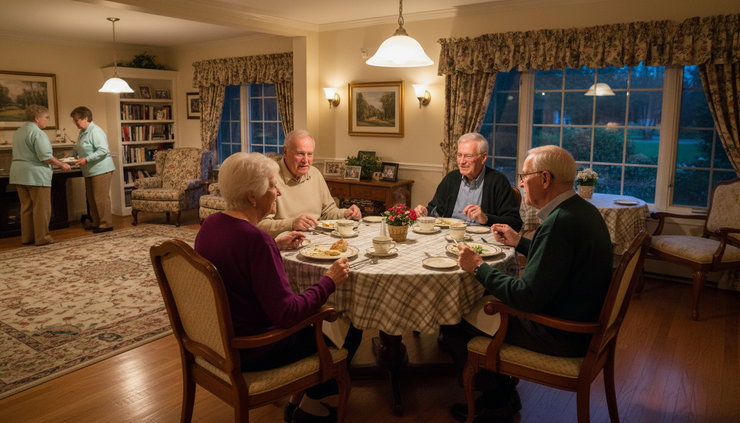
Sheltered care and assisted living can look similar from the outside, but in Illinois they are not interchangeable terms. Sheltered care falls under the Nursing Home Care Act. Assisted living falls under the Assisted Living and Shared Housing Act and is built around a residential model that emphasizes independence, privacy, dignity, autonomy, and choice.
The best next step is simple: ask every community what Illinois license it holds, what services it can provide, and what needs would require a move.
A beautiful building matters. Kind staff matter. A good location matters. But the right fit starts with understanding what the setting is legally allowed and practically prepared to do.


Comments